From Viking quays to modern waterfronts
A hop‑on hop‑off route that links maritime history, royal parks and contemporary fjordfront design.
Table of Contents
From Viking Harbour to Capital
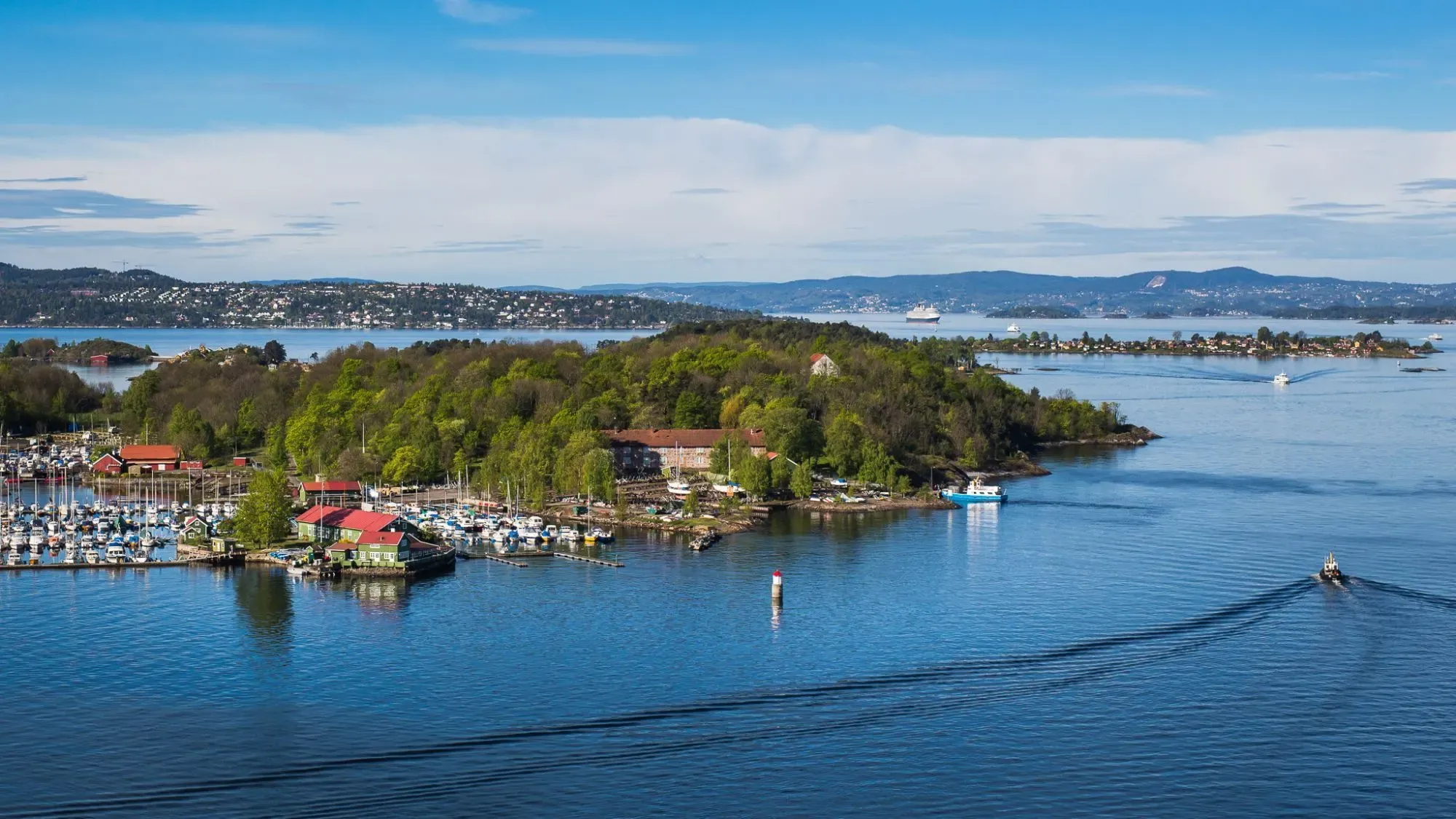
Long before the modern streets and marble facades, Oslo’s coast was a network of wooden quays where boats moored to trade, fish and cross the fjord. Archaeology and place‑names recall seasonal markets and seafaring communities; this maritime life laid the foundations for a town that balanced coastal trade with inland agriculture.
As kingdoms and commerce evolved, the settlement grew into a fortified town and later a capital. Timber and later industrial goods shaped neighbourhoods along the quay, while cultural institutions and public parks emerged as the city matured into the 19th and 20th centuries.
Akershus, trade and defence
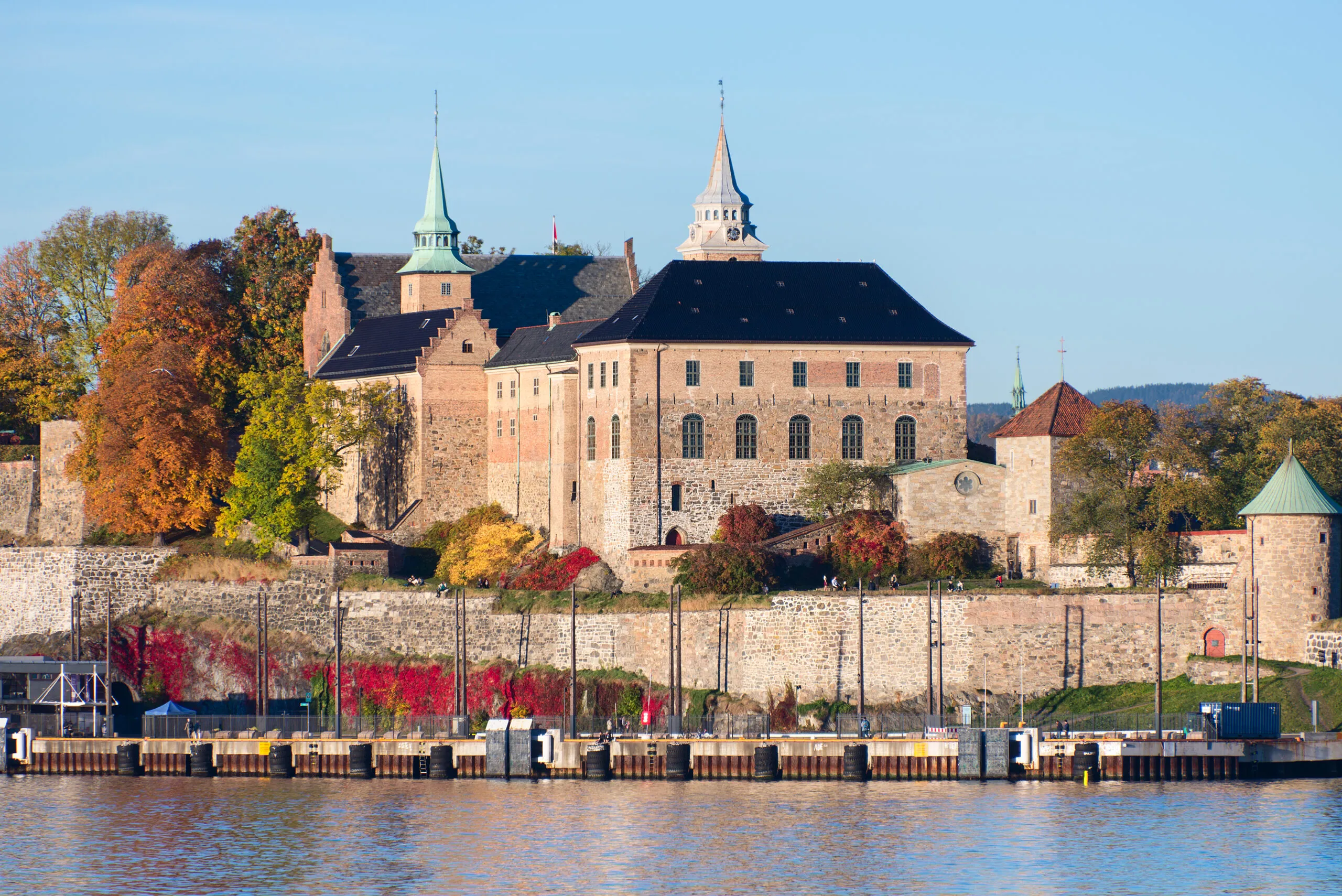
Akershus Fortress has watched over Oslo’s harbour for centuries. Originally a medieval stronghold, its role shifted through time — royal residence, military fortification and now a public park that offers sweeping views and a tangible link to the city’s maritime and political past.
Walking the ramparts reveals how defence, trade and civic life met at the harbour edge: warehouses, docks and administrative buildings clustered where ships came and went.
The rise of the promenade and waterfront
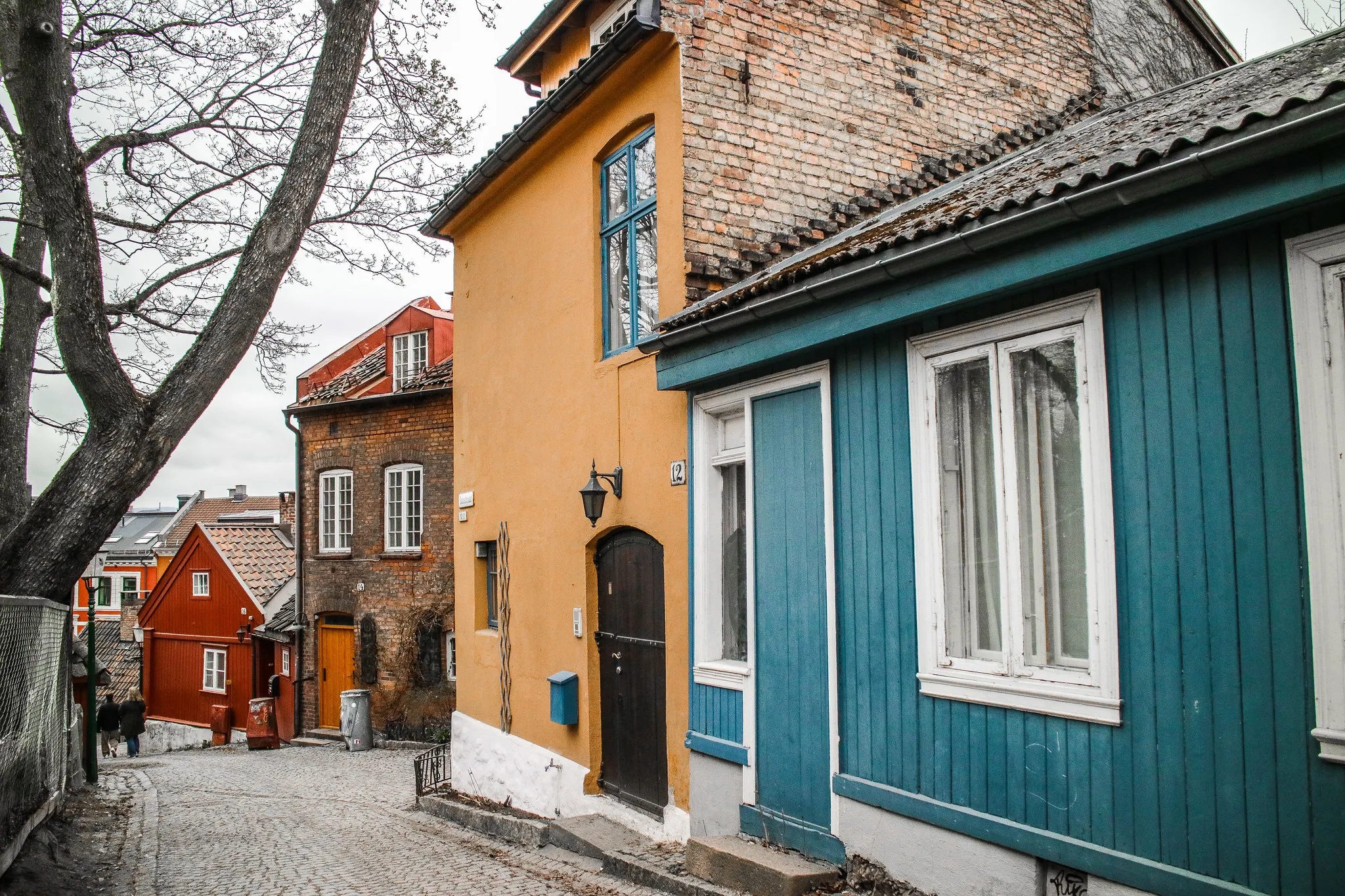
Industrial docks have been reinvented as pedestrian promenades, galleries and restaurants. Aker Brygge and Tjuvholmen show how the shoreline was reshaped into welcoming public space where architecture, art and the sea meet.
From the upper deck you’ll see ferries and excursion boats that connect short trips around the fjord; pairing a bus loop with a boat trip gives a fuller sense of Oslo’s maritime geography.
Bygdøy: museums and maritime memory
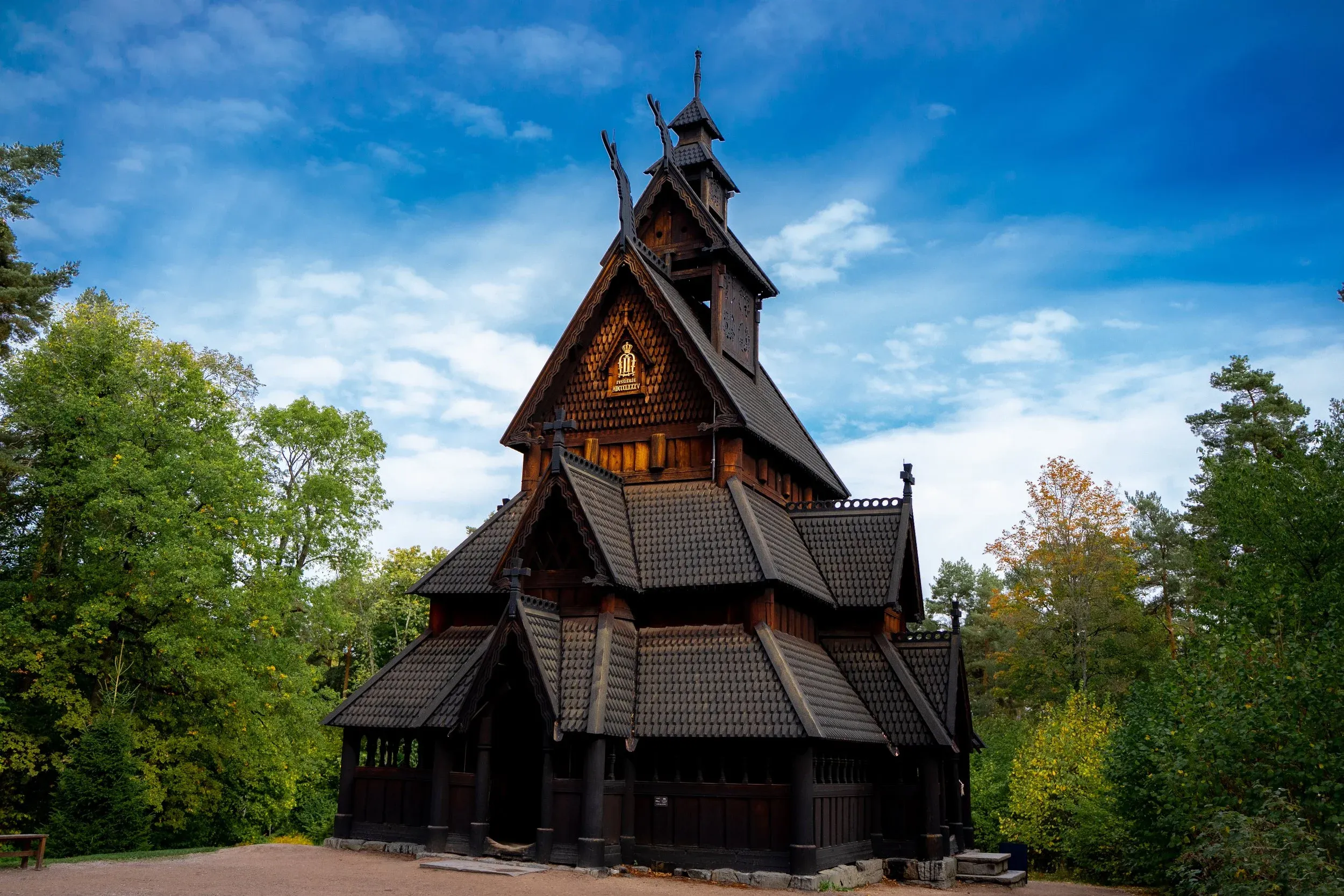
Bygdøy brings together the Fram, Viking Ship and Kon‑Tiki museums — intimate repositories of exploration and seafaring that tell Norway’s maritime stories through ships, logs and personal artefacts.
Visitors often combine a museum visit with a shoreline walk, returning to the bus to continue along the fjordfront toward parks and the centre.
Parks, sculptures and public art
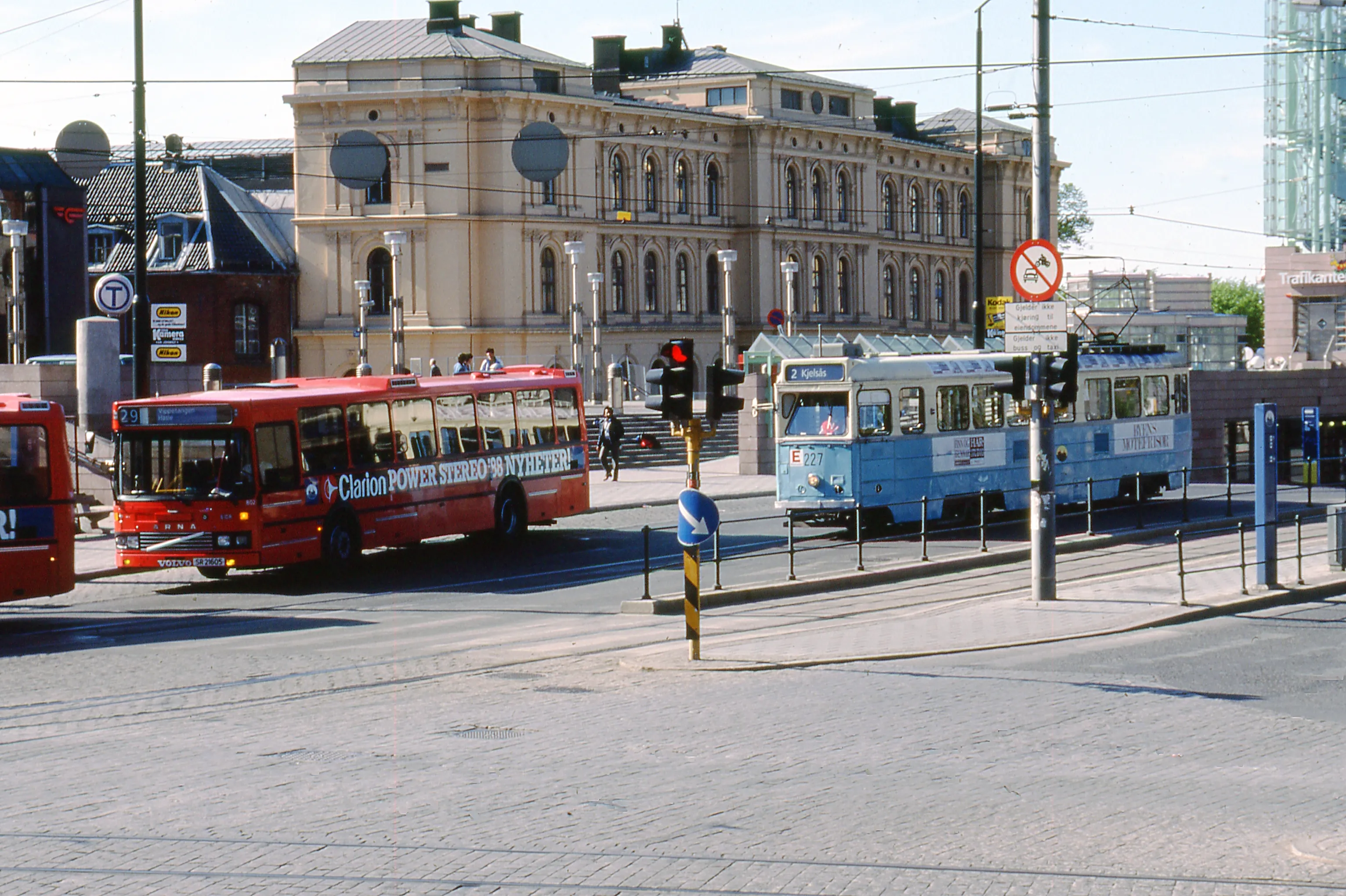
Vigeland Sculpture Park is a singular experience: Gustav Vigeland’s monumental figures line a grand axis through the park, inviting reflection and leisurely exploration amid lawns and mature trees.
Combine a sculpture walk with nearby cafés then rejoin the loop for more city sights.
Holmenkollen and the view from above
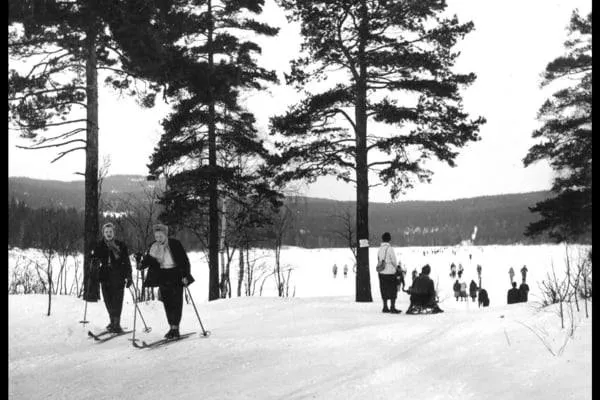
A hop to Holmenkollen shows Oslo’s close relation to nature: ski jumps, forested hills and wide views where city meets wilderness. It’s a reminder that Oslo’s urban life sits beside accessible outdoor terrain.
If time allows, take the lift up the jump tower for panoramic views and return by public transport to the centre.
The fjord as city spine
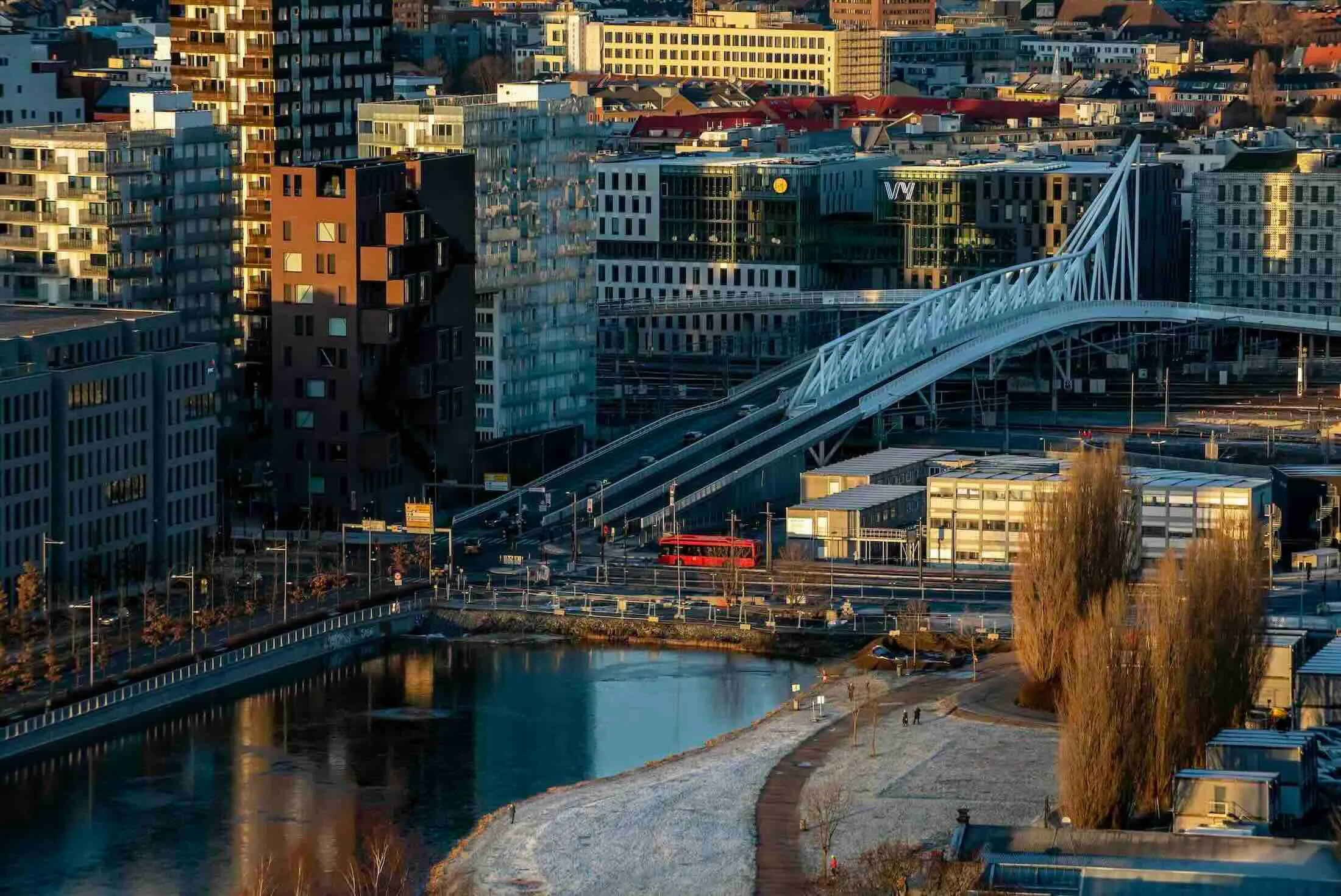
The Oslofjord shapes movement, economy and leisure: ferries and small harbours knit together islands and peninsulas, and many hop‑on hop‑off itineraries are designed to pair bus routes with short boat trips for a richer fjord experience.
Watching life move along the waterline — cargo, commuter boats and pleasure craft — connects Oslo’s past as a trading harbour with its present as a living coastal city.
Crowds, safety & accessibility
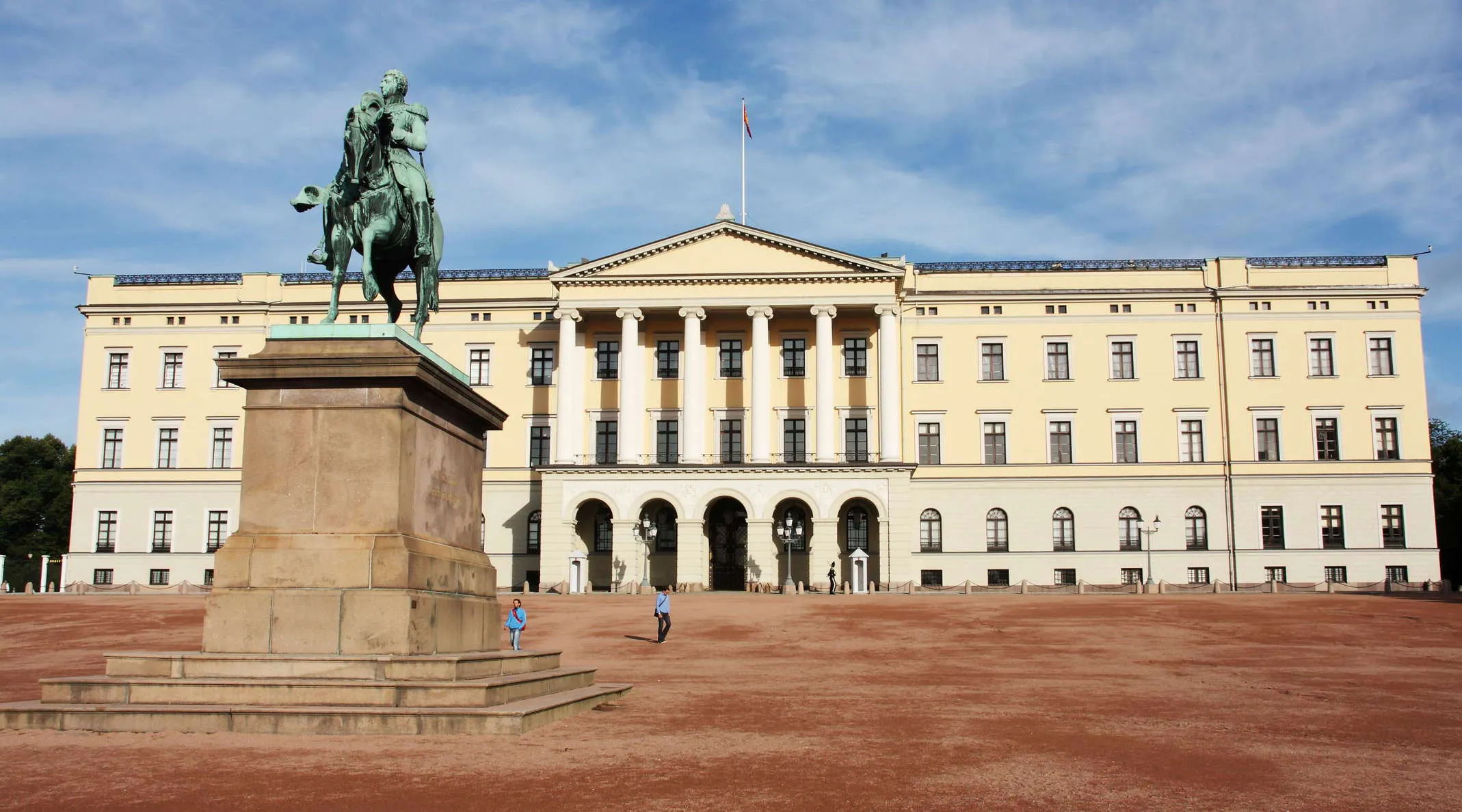
Oslo is generally safe and easy to navigate. On busy summer days be mindful of crowds near cruise ship piers and museums. Keep belongings secure and be attentive while boarding and disembarking at busy stops.
Accessibility continues to improve: many buses offer low‑floor boarding and ramps, but some historic stops and paths may be uneven. If accessibility is essential, contact the operator in advance.
Festivals, markets & cultural rhythms

Oslo’s year includes music festivals, design markets and outdoor events that animate the harbour and public squares; these moments offer a lively backdrop to hop‑off explorations.
Even outside festival season you’ll notice neighbourhood rhythms: morning joggers along the fjord, families picnicking in parks, and long summer evenings that stretch well into the night.
Tickets, passes & smart planning
Compare operators, durations and combos. If you plan to visit several museums on Bygdøy, a combo ticket that includes museum entry can save time and money. A 24‑hour pass is great for a packed day of hop‑offs.
Decide where you want to linger — museum visits take time, while a sculpture park stroll may be shorter — and plan a realistic itinerary so you enjoy each stop.
Conserving the old in the new city
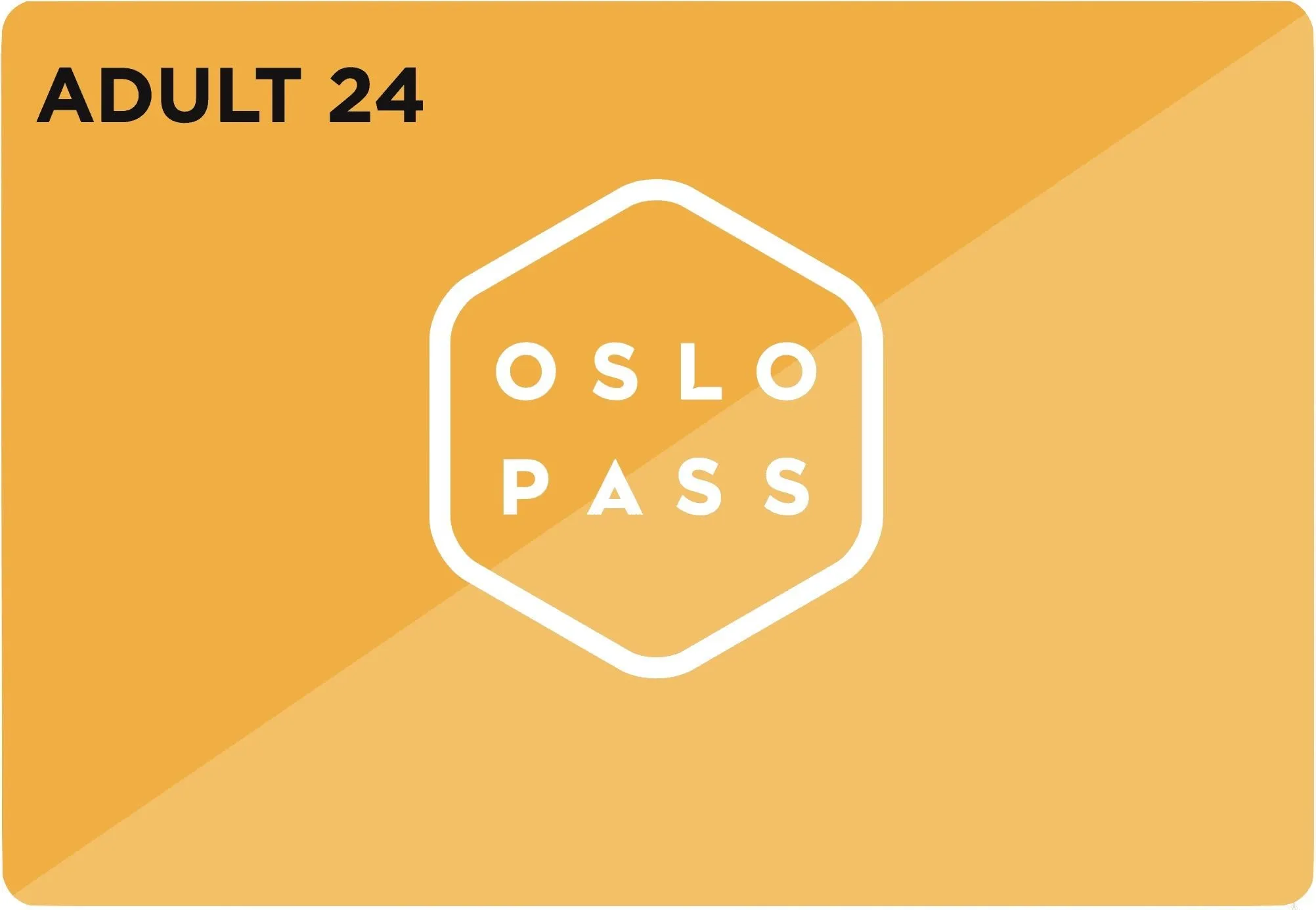
Oslo aims to preserve historic warehouses and wooden houses while opening the shoreline with public spaces and sustainable design. Restoration and thoughtful development balance heritage and modern needs.
By supporting official operators and buying museum tickets, visitors help fund conservation and the upkeep of shared urban spaces.
Side trips & short fjord cruises
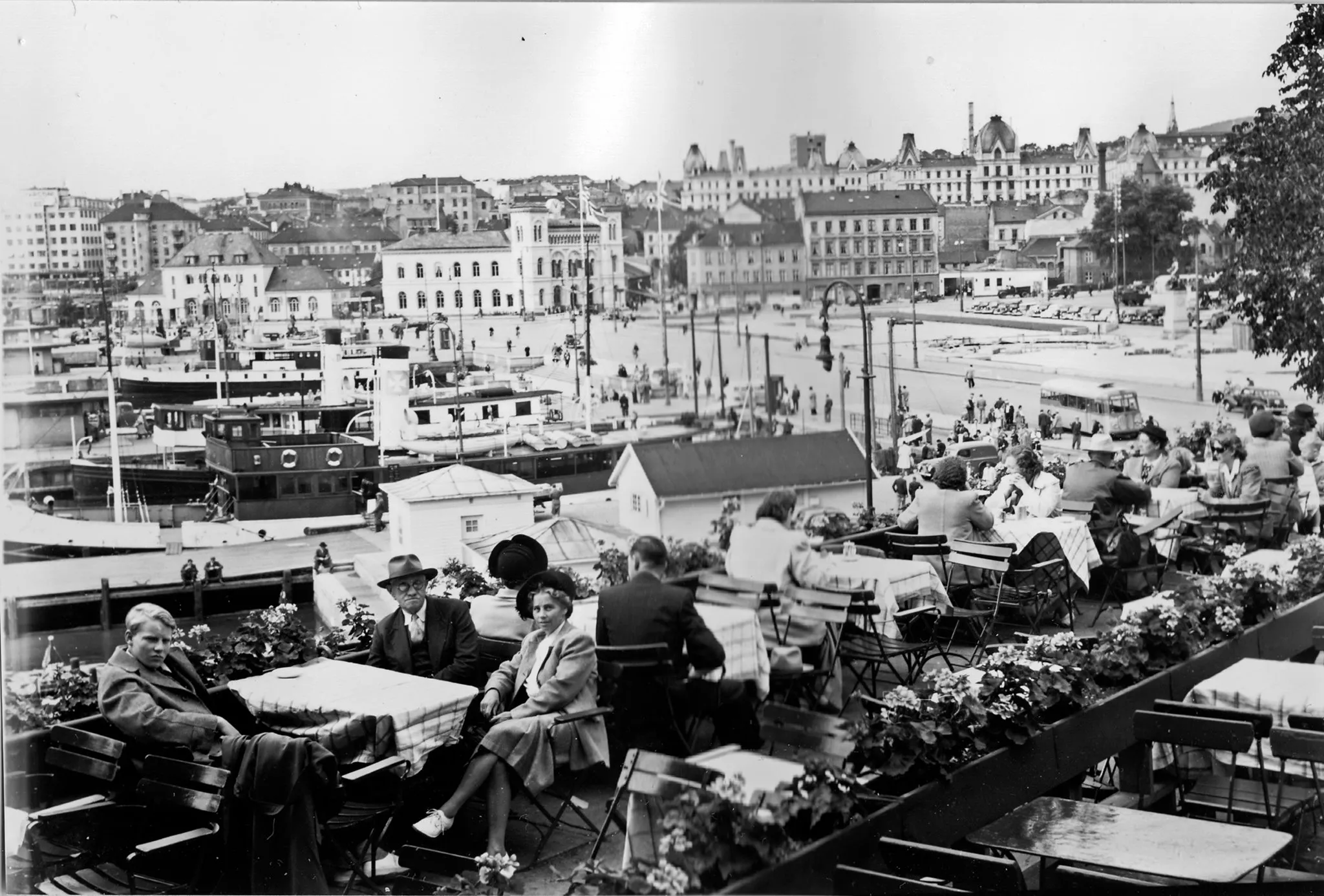
Pair a bus loop with a short fjord cruise to see islands and coastal scenery; these boat trips fit neatly into a one‑day plan and offer a theater‑like view of Oslo’s shoreline.
Alternatively, take short ferries to quiet islands and walking paths for a different, quieter fjord perspective away from the main piers.
Why a bus ride captures Oslo
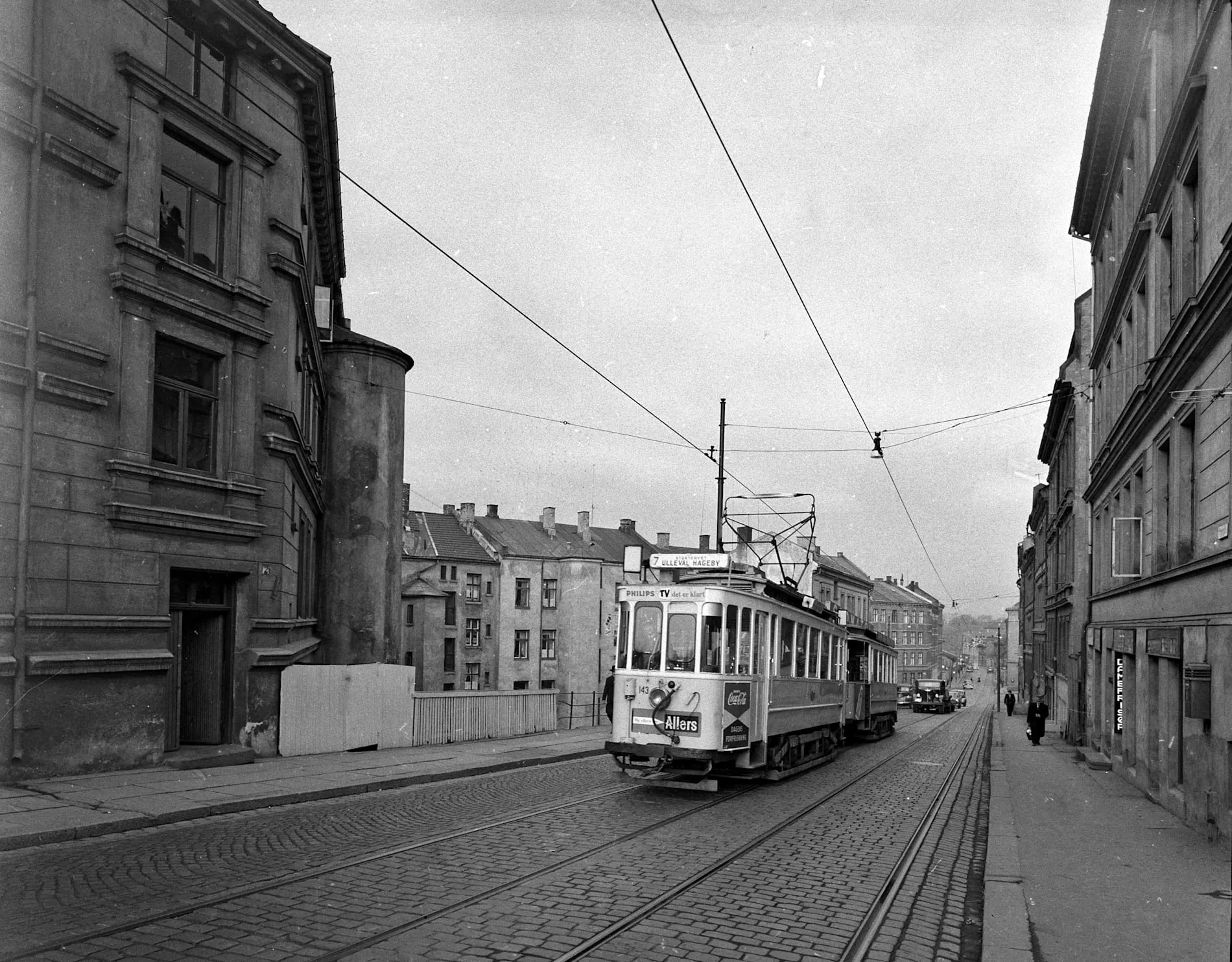
A hop‑on hop‑off bus is a readable way to experience a compact city: Oslo’s route ties together maritime roots, royal parks, modern architecture and local neighbourhoods, offering quick transitions between sweeping viewpoints and intimate streets.
After a loop you’ll have a layered impression of Oslo — from Viking and royal traces to modern design districts — and the freedom to return to the places that captivated you most.
Table of Contents
From Viking Harbour to Capital
Long before the modern streets and marble facades, Oslo’s coast was a network of wooden quays where boats moored to trade, fish and cross the fjord. Archaeology and place‑names recall seasonal markets and seafaring communities; this maritime life laid the foundations for a town that balanced coastal trade with inland agriculture.
As kingdoms and commerce evolved, the settlement grew into a fortified town and later a capital. Timber and later industrial goods shaped neighbourhoods along the quay, while cultural institutions and public parks emerged as the city matured into the 19th and 20th centuries.
Akershus, trade and defence
Akershus Fortress has watched over Oslo’s harbour for centuries. Originally a medieval stronghold, its role shifted through time — royal residence, military fortification and now a public park that offers sweeping views and a tangible link to the city’s maritime and political past.
Walking the ramparts reveals how defence, trade and civic life met at the harbour edge: warehouses, docks and administrative buildings clustered where ships came and went.
The rise of the promenade and waterfront
Industrial docks have been reinvented as pedestrian promenades, galleries and restaurants. Aker Brygge and Tjuvholmen show how the shoreline was reshaped into welcoming public space where architecture, art and the sea meet.
From the upper deck you’ll see ferries and excursion boats that connect short trips around the fjord; pairing a bus loop with a boat trip gives a fuller sense of Oslo’s maritime geography.
Bygdøy: museums and maritime memory
Bygdøy brings together the Fram, Viking Ship and Kon‑Tiki museums — intimate repositories of exploration and seafaring that tell Norway’s maritime stories through ships, logs and personal artefacts.
Visitors often combine a museum visit with a shoreline walk, returning to the bus to continue along the fjordfront toward parks and the centre.
Parks, sculptures and public art
Vigeland Sculpture Park is a singular experience: Gustav Vigeland’s monumental figures line a grand axis through the park, inviting reflection and leisurely exploration amid lawns and mature trees.
Combine a sculpture walk with nearby cafés then rejoin the loop for more city sights.
Holmenkollen and the view from above
A hop to Holmenkollen shows Oslo’s close relation to nature: ski jumps, forested hills and wide views where city meets wilderness. It’s a reminder that Oslo’s urban life sits beside accessible outdoor terrain.
If time allows, take the lift up the jump tower for panoramic views and return by public transport to the centre.
The fjord as city spine
The Oslofjord shapes movement, economy and leisure: ferries and small harbours knit together islands and peninsulas, and many hop‑on hop‑off itineraries are designed to pair bus routes with short boat trips for a richer fjord experience.
Watching life move along the waterline — cargo, commuter boats and pleasure craft — connects Oslo’s past as a trading harbour with its present as a living coastal city.
Crowds, safety & accessibility
Oslo is generally safe and easy to navigate. On busy summer days be mindful of crowds near cruise ship piers and museums. Keep belongings secure and be attentive while boarding and disembarking at busy stops.
Accessibility continues to improve: many buses offer low‑floor boarding and ramps, but some historic stops and paths may be uneven. If accessibility is essential, contact the operator in advance.
Festivals, markets & cultural rhythms
Oslo’s year includes music festivals, design markets and outdoor events that animate the harbour and public squares; these moments offer a lively backdrop to hop‑off explorations.
Even outside festival season you’ll notice neighbourhood rhythms: morning joggers along the fjord, families picnicking in parks, and long summer evenings that stretch well into the night.
Tickets, passes & smart planning
Compare operators, durations and combos. If you plan to visit several museums on Bygdøy, a combo ticket that includes museum entry can save time and money. A 24‑hour pass is great for a packed day of hop‑offs.
Decide where you want to linger — museum visits take time, while a sculpture park stroll may be shorter — and plan a realistic itinerary so you enjoy each stop.
Conserving the old in the new city
Oslo aims to preserve historic warehouses and wooden houses while opening the shoreline with public spaces and sustainable design. Restoration and thoughtful development balance heritage and modern needs.
By supporting official operators and buying museum tickets, visitors help fund conservation and the upkeep of shared urban spaces.
Side trips & short fjord cruises
Pair a bus loop with a short fjord cruise to see islands and coastal scenery; these boat trips fit neatly into a one‑day plan and offer a theater‑like view of Oslo’s shoreline.
Alternatively, take short ferries to quiet islands and walking paths for a different, quieter fjord perspective away from the main piers.
Why a bus ride captures Oslo
A hop‑on hop‑off bus is a readable way to experience a compact city: Oslo’s route ties together maritime roots, royal parks, modern architecture and local neighbourhoods, offering quick transitions between sweeping viewpoints and intimate streets.
After a loop you’ll have a layered impression of Oslo — from Viking and royal traces to modern design districts — and the freedom to return to the places that captivated you most.